
Play Therapy

A clinical approach to helping children heal, grow, and communicate through their most natural language: play.

What Is Play Therapy?

Play therapy is a therapeutic practice that uses toys, games, sand trays, puppets, and imaginative play to help children communicate, explore experiences, and develop coping skills. It is facilitated by a trained, registered therapist, not a childcare worker with a box of toys.

Children do not process the world the way adults do. They rarely sit down and talk about their feelings. Instead, they show you through play: what they fear, what confuses them, and what they need. A play therapist observes, guides, and responds to what emerges, helping the child make sense of their inner world at their own developmental pace.

How a Session Typically Works

  1. 1.Warm-up: Your child settles into the playroom and chooses what to explore.
  2. 2.Free or guided play: The child plays freely or follows the therapist's gentle lead.
  3. 3.Therapeutic observation: The therapist watches patterns, themes, and choices.
  4. 4.Closure: The session wraps with a calm transition back to you.

Benefits of Play Therapy

01
Speaks the child's languagePlay is how children naturally communicate. It lets them express what words cannot yet reach.
02
Explores difficult experiencesStories, dolls, and sand may help children approach loss, change, fear, or trauma gradually.
03
Supports emotional regulationChildren may practise naming feelings and trying new responses within a supported setting.
04
Strengthens the parent-child bondMany play therapy approaches include parents, teaching you how to respond in ways that deepen connection.
05
Develops social and problem-solving skillsTurn-taking, negotiation, and cooperation emerge naturally through therapeutic play.

Who May Benefit Most From Play Therapy

Each group below links to a dedicated page with more specific guidance.

YOUR FIRST VISIT

What to Expect in Your First Session

Parent intake

You meet the therapist first to share your concerns and your child's history.

Meeting your child

The therapist welcomes your child and lets them explore the playroom.

Free exploration

Your child plays freely. The therapist observes and begins building trust.

Gentle closure

The session ends with a calm transition back to you.

Parent debrief

The therapist shares initial observations and discusses next steps with you.

Play Therapists Ready to Match With You

Loading…

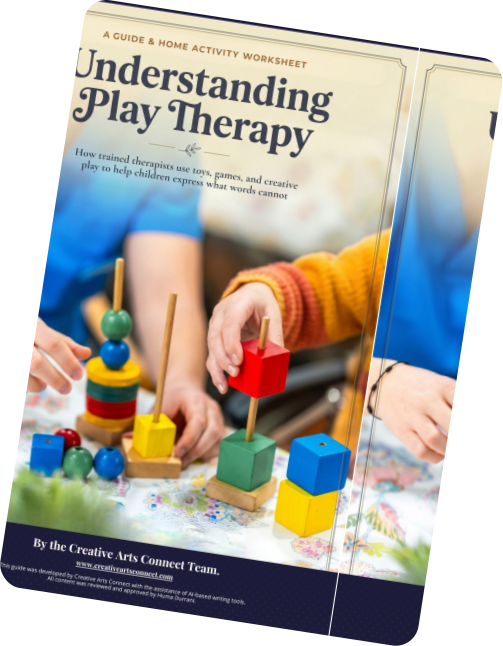
Free guide

Exploring Play Therapy: A Parent’s Guide to Getting Started

Discover how play therapy offers children ways to express feelings and explore experiences through play—no need to find the right words.

  • Understand what happens in a session and how it differs from everyday play
  • Learn what to expect when your child begins play therapy
  • Explore ways to support your child between sessions
Free guide cover

From the Blog

Frequently Asked Questions

Play therapy is real, clinical therapy conducted through the medium of play. A trained therapist uses toys, games, and creative activities to help children express emotions they cannot put into words, process difficult experiences, and develop healthier coping strategies. The play is purposeful and therapeutic, even when it looks like ordinary play to an observer.