
Kids do not usually announce that something is wrong. More often it shows up sideways, in a sudden change of mood, a new habit of avoiding certain topics, or a tantrum that feels bigger than the moment calls for. As a parent, it can be hard to tell what is a normal part of growing up and what might be a sign your child could use some extra support.
This is one of the most common questions parents bring to us, and there is no perfect checklist that answers it with certainty. But there are patterns worth paying attention to, and a bit of guidance on what counts as reasonable and what might be worth exploring further.
Behavior Changes Worth Noticing
A children's counsellor is often brought in not because of one dramatic incident, but because a parent noticed a pattern building over weeks or months. A few of the more common ones include:
- Sudden shifts in mood or behavior, such as a child who was easygoing becoming quick to anger or withdraw
- Changes in sleep or appetite, without an obvious cause
- Regression in younger children, like a return to behaviors they had outgrown
- Increased clinginess or separation difficulty, beyond what feels typical for their age
- Avoidance of school, friends, or activities they used to enjoy
- Physical complaints with no medical cause, such as frequent stomachaches before school
None of these alone confirms that a child needs psychotherapy. Kids have off weeks, just like adults. What matters more is whether a pattern is persistent, intensifying, or clearly connected to something the child cannot yet explain.

a_child_engaged_in_a_creative_
How Young Is Too Young for Therapy
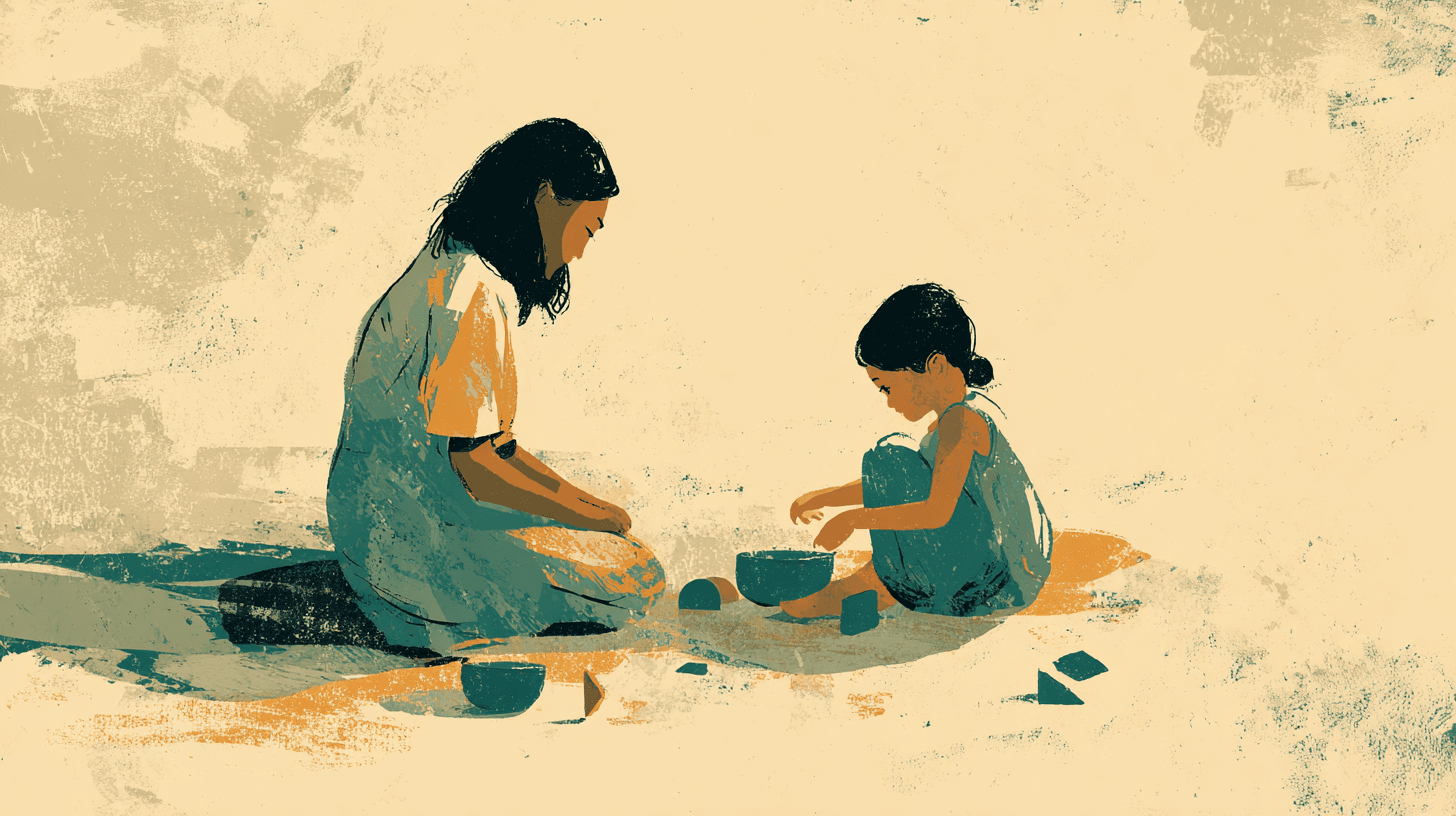
A question we hear often is: How young is too young for therapy? The honest answer is that no lower age limit rules it out. Play therapy, in particular, is designed for young children, using toys, games, and creative activities as the primary language, since most children under ten are not yet able to sit and talk through their feelings the way an adult would in a session.
For very young children, a child behavioral therapist will often work as much with the parent as with the child, helping build strategies at home that reinforce what happens in session. This is a normal and expected part of the process, not a sign that something is being missed.
Specific Situations Parents Often Ask About
A few situations come up regularly enough that they are worth naming directly.
Social anxiety in children can look like reluctance to join group activities, difficulty making friends, or physical distress before school events. It is often mistaken for shyness, but when it is limiting a child's daily life, it may be worth a closer look.
Therapy for a defiant child is another common search, and it is worth saying clearly that defiance is frequently a symptom of something underneath, frustration, anxiety, or a child who does not yet have the words for what they are feeling, rather than simply a discipline problem.
Families who have adopted also sometimes look specifically for adoption-competent therapy, where the therapist has specific training in attachment and the particular emotional landscape adopted children can navigate.
Why Creative Approaches Often Work Best for Children
Children rarely process big feelings through direct conversation the way adults can. A five-year-old is not going to sit down and explain that they feel anxious about their parents' separation. But they might show it through the way they play, what they draw, or how they move.
This is why creative and expressive modalities are often the most natural fit for child mental health therapy. Art, play, and movement give children a way to externalize what is happening internally, long before they have the vocabulary to describe it directly. A trained therapist can read a great deal from how a child plays or creates, and use that as the foundation for building trust and, eventually, real change.

creative_hands_working
What to Do With What You Are Noticing
If a pattern feels persistent, is intensifying, or is starting to affect school, friendships, or the household, it is reasonable to look into therapy for children rather than waiting to see if it resolves on its own. Reaching out early does not mean something is seriously wrong. It often means catching something small before it becomes something bigger.
How CAC Helps You Find the Right Fit for Your Child
Creative Arts Connect matches families with certified therapists experienced specifically in working with children, rather than leaving parents to guess from a general directory. A short guided quiz asks about what you are noticing and how your child tends to communicate, and from there CAC matches you with a psychotherapist for children whose approach and modality fit your child's needs.
Every therapist on the platform is vetted for credentials, so you can focus on finding the right fit rather than verifying qualifications on your own.
A Gentle Next Step
Trusting your instincts as a parent is not overreacting. If something feels different with your child, finding a therapist who understands children can start with a short quiz rather than an overwhelming search through directory listings.