



Creative Arts Therapy for Neurodivergent Minds

Your brain is not broken. It works differently. Creative arts therapy is built for that difference, offering sensory-rich, non-verbal, and flexible ways to process emotions, build skills, and feel understood without being asked to mask who you are.

Vetted · Qualified · Matched to Your Needs

Creative Arts Therapy for Neurodivergent Minds

Does Any of This Feel Familiar—for You or Your Child?

You are not alone. And there is a kind of therapy that was designed for brains like yours, not adapted from something built for someone else.

  • Exhaustion from masking all day just to seem 'normal' at work, school, or home
  • Feeling like traditional therapy never quite fit the way your mind works
  • Carrying labels like 'too sensitive,' 'too much,' or 'not trying hard enough'
  • Not knowing whether what you experience has a name, just knowing it is real

How Creative Arts Therapy Supports Neurodivergent People

Some conventional therapy formats may not suit every neurodivergent person. Creative arts therapy can offer sensory, flexible and non-linear ways to engage.

How Creative Arts Therapy Supports Neurodivergent People
Matches how you processVisual, auditory, and kinaesthetic channels let you engage in the way that feels most natural to your brain.
No masking requiredThere is no script to follow, no right way to sit, and no pressure to make eye contact or small talk.
Adapts to your sensory profileTherapists adjust lighting, sound, materials, and pacing to create a space that works for you, not against you.
Builds from strengthsCreative therapies engage pattern recognition, intense focus, visual thinking, and imagination, strengths many neurodivergent people already have.

Modalities That Support Neurodivergent People

Suitability varies by person. The best modality depends on interests, communication style, sensory profile, accessibility needs and the therapist’s relevant training.

Who May Benefit Most

Adults exploring a late ADHD, autism, or other neurodivergent identityChildren with sensory processing differences, dyslexia, or dyspraxiaTeens navigating school, friendships, and identity as a neurodivergent personParents seeking neurodivergent-affirming support for their familyAnyone who has found traditional therapy too rigid, too verbal, or too fast

Tap a group above to start the matching quiz pre-filtered for you.

Therapists Who Support Neurodivergence

Kanupriya Mody, Art TherapistVettedHybrid

Kanupriya Mody

Art TherapistIN

  • Psychodynamic Therapy
View full profile
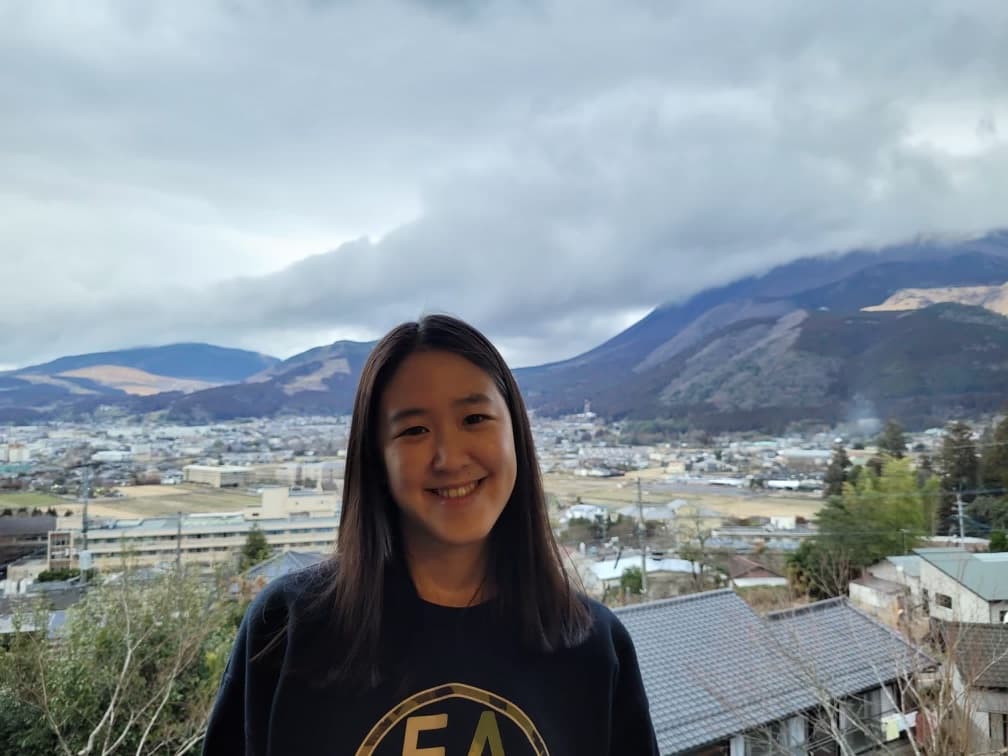
Yumeka Wong, Art TherapistVettedOnline Sessions

Yumeka Wong

Art TherapistCA

  • Eye Movement Desensitization and Reprocessing (EMDR)
  • Trauma-Focused Therapy
  • Cognitive Behavioral Therapy (CBT)
View full profile
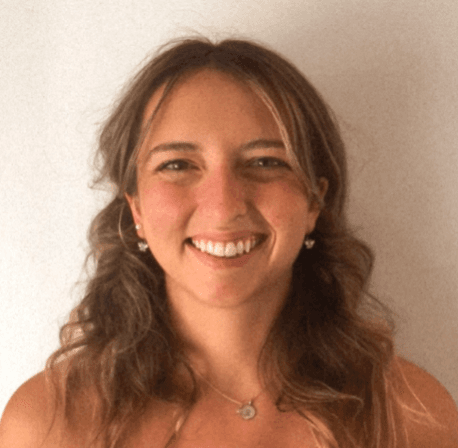
Rachel Krause, Art TherapistVettedHybrid

Rachel Krause

Art TherapistCA

  • Person-Centered or Humanistic Therapy
  • Ecotherapy
View full profile

From the Blog

Frequently Asked Questions

What does neurodivergent-affirming therapy mean?

It means therapy that treats neurodivergence as a natural variation in how brains work, not as a disorder to be fixed. A neurodivergent-affirming therapist will not try to make you mask, conform, or behave in neurotypical ways. Instead, they work with your strengths, adapt to your processing style, and help you build a life that fits you.

Do I need a diagnosis to start?

No. You do not need a formal diagnosis of ADHD, autism, dyslexia, or any other condition to begin therapy. Many people come to us because they recognize patterns in how they think, feel, or experience the world and want support from someone who understands that experience. Your therapist will meet you where you are.

How is this different from the ADHD or Autism pages?

Our ADHD and Autism pages focus on those specific experiences. This page is for people who identify broadly as neurodivergent, have overlapping or co-occurring conditions, are still exploring what neurodivergence means for them, or live with differences like dyslexia, dyspraxia, or sensory processing challenges that do not have their own page yet.

How does creative arts therapy help neurodivergent people specifically?

Creative arts therapy is sensory-based, non-linear, and does not depend on verbal fluency. It engages visual, auditory, and kinaesthetic channels, which are often strengths for neurodivergent individuals. It also avoids the rigid, conversation-heavy format that many neurodivergent people find draining or inaccessible in traditional therapy.

Is creative arts therapy covered by insurance?

Coverage varies by country, region, insurance provider, benefit plan and the therapist’s professional designation. Before beginning therapy, ask the therapist what credentials appear on their receipts and check directly with your insurer whether services provided under that designation are eligible for reimbursement.