
Insights and Stories
Expert articles and guides on art, music, dance, drama and play therapy — helping children, teens, adults and seniors find the right support.

Why Am I So Angry? What Anger Management Therapy Looks at Beneath the Surface
There is a moment right before anger takes over where something else is usually happening underneath it. A conversation that felt dismissive. A boundary that got crossed again. A stress that has been building for weeks and finally has nowhere left to go. By the time the anger shows up, it rarely looks like what actually caused it.
Read More»
How Do I Know If My Child Might Benefit From Counselling? Signs to Consider
Kids do not usually announce that something is wrong. More often it shows up sideways, in a sudden change of mood, a new habit of avoiding certain topics, or a tantrum that feels bigger than the moment calls for. As a parent, it can be hard to tell what is a normal part of growing up and what might be a sign your child could use some extra support.
Read More»
A Parent's Guide to Choosing a Therapist for Your Teen
Your teenager used to tell you everything, or maybe they never quite did, but lately even the small updates have stopped. Doors close a little more often. Questions get one-word answers. You are not imagining it, and you are not doing anything wrong by noticing.
Read More»
What Can Family Therapy Help With? A Guide for Families Considering Support
Dinner gets quieter more often than it used to. A coparenting handoff turns into a tense exchange. A teenager who used to talk about everything now answers in one word. None of this feels like a crisis exactly, but it feels like
Read More»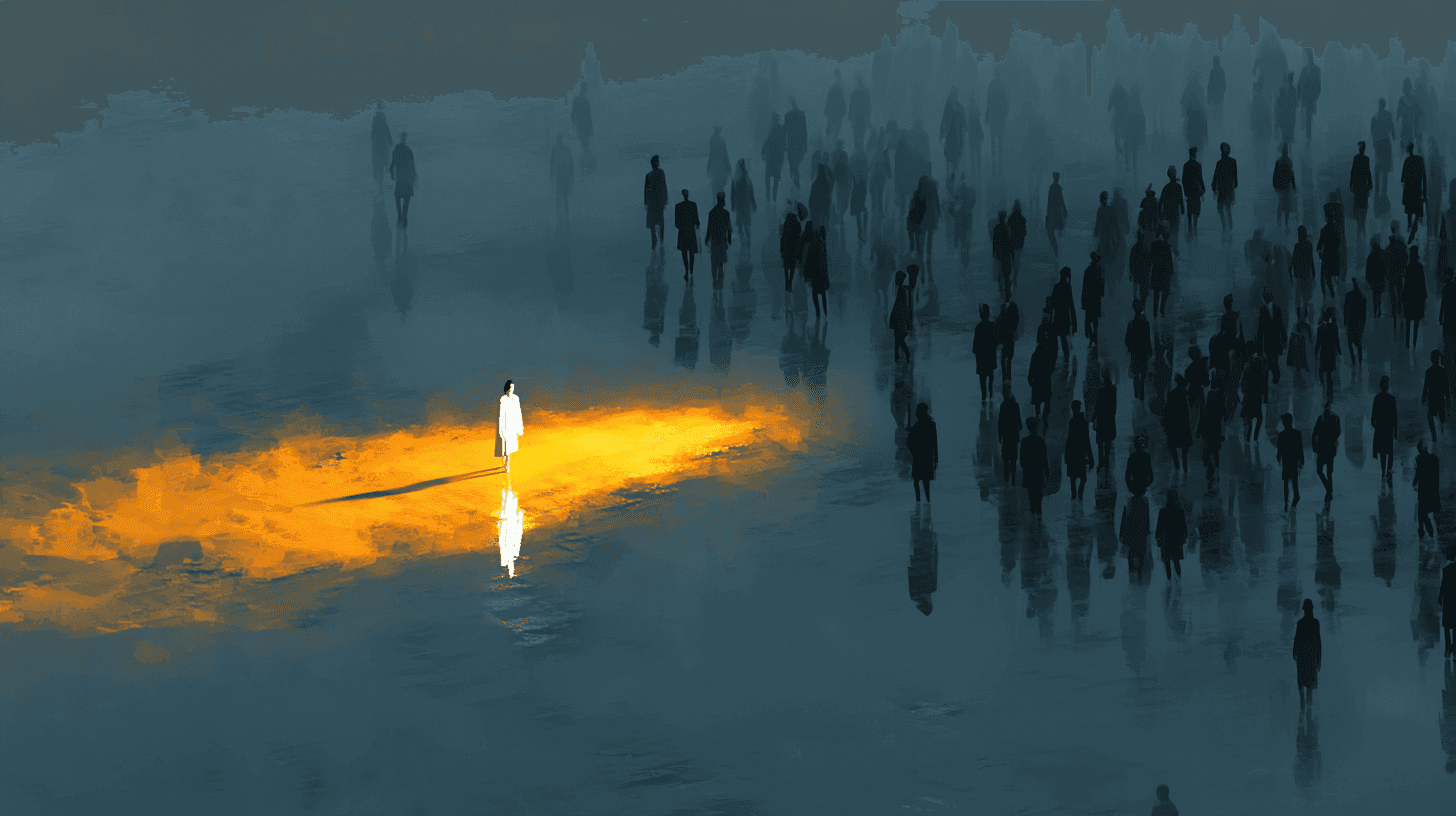
Why Some Feelings Don't Have Words Yet
Have you ever been asked, "How are you feeling?" only to realize you genuinely don't know how to answer?
Read More»
Why You Feel Lonely Around People
You can spend an entire day surrounded by people and still end it feeling completely alone.
Read More»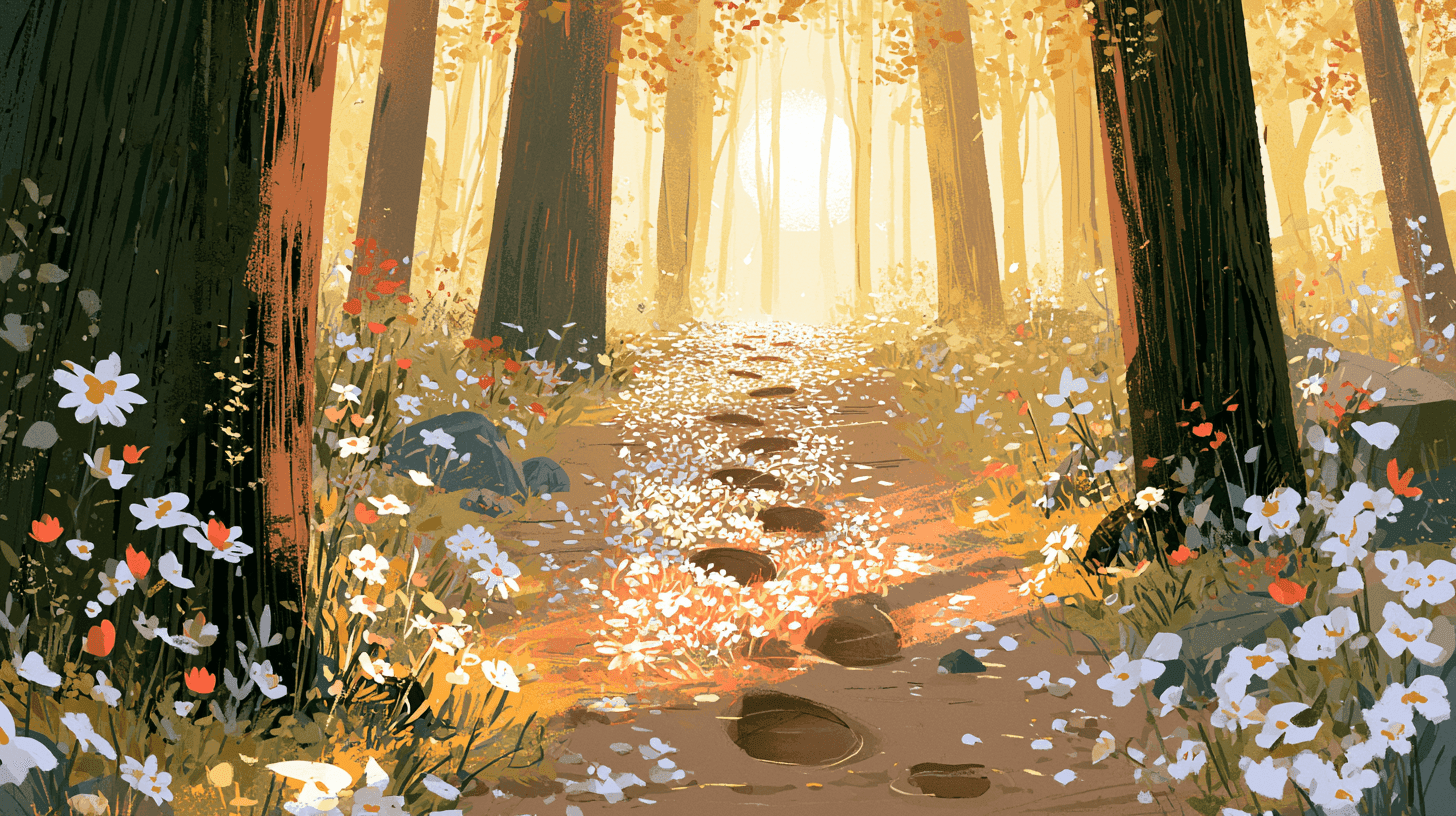
The Myth of "Getting Over It"
"You just need to get over it."
Read More»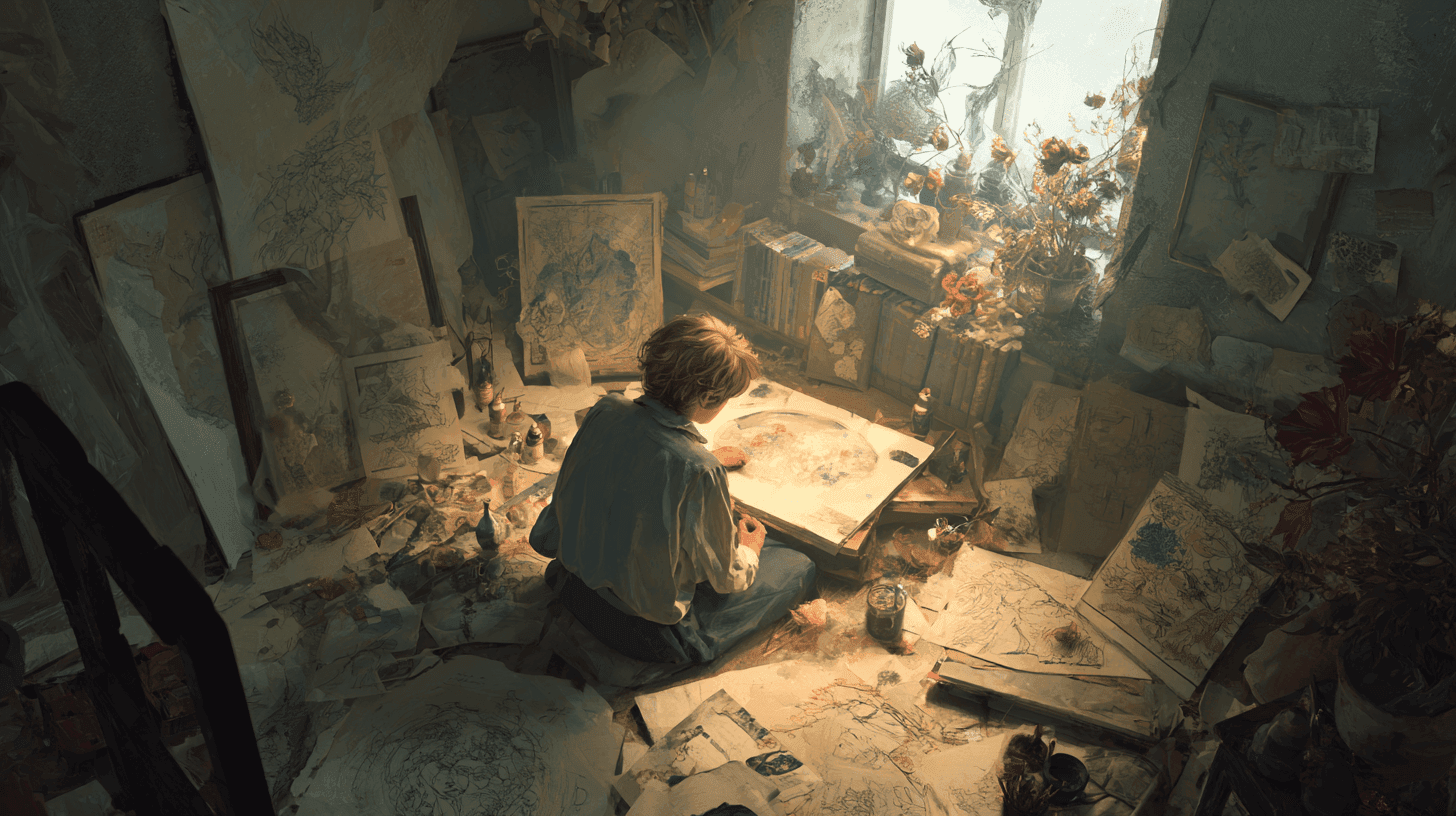
Can Art Help You Understand Yourself Better?
Self-understanding is often described as a journey of asking the right questions. Why do I feel this way? Why do I react like this? What do I really need? While reflection and conversation can be valuable, they are not the only ways to gain insight into ourselves.
Read More»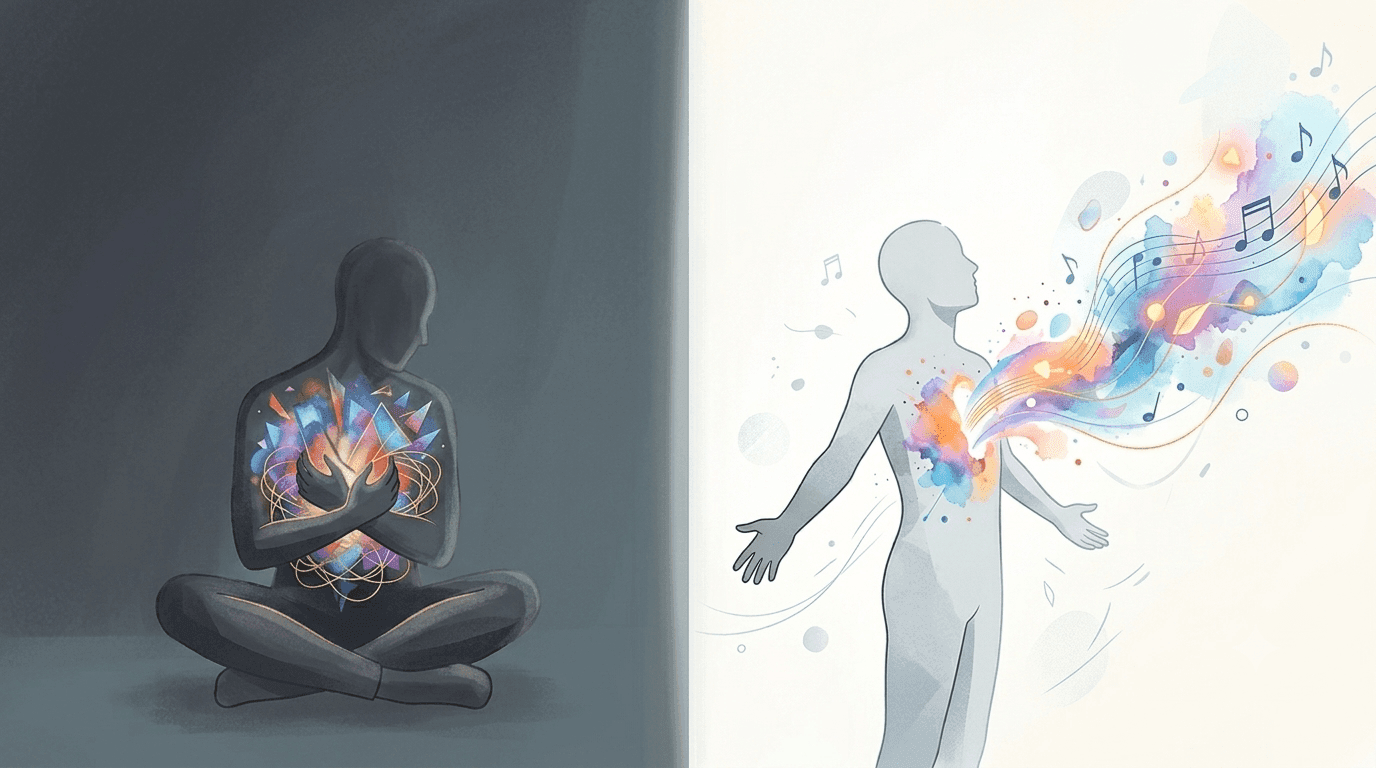
The Emotional Weight of Holding Everything Inside
There are moments when people carry far more than others can see.
Read More»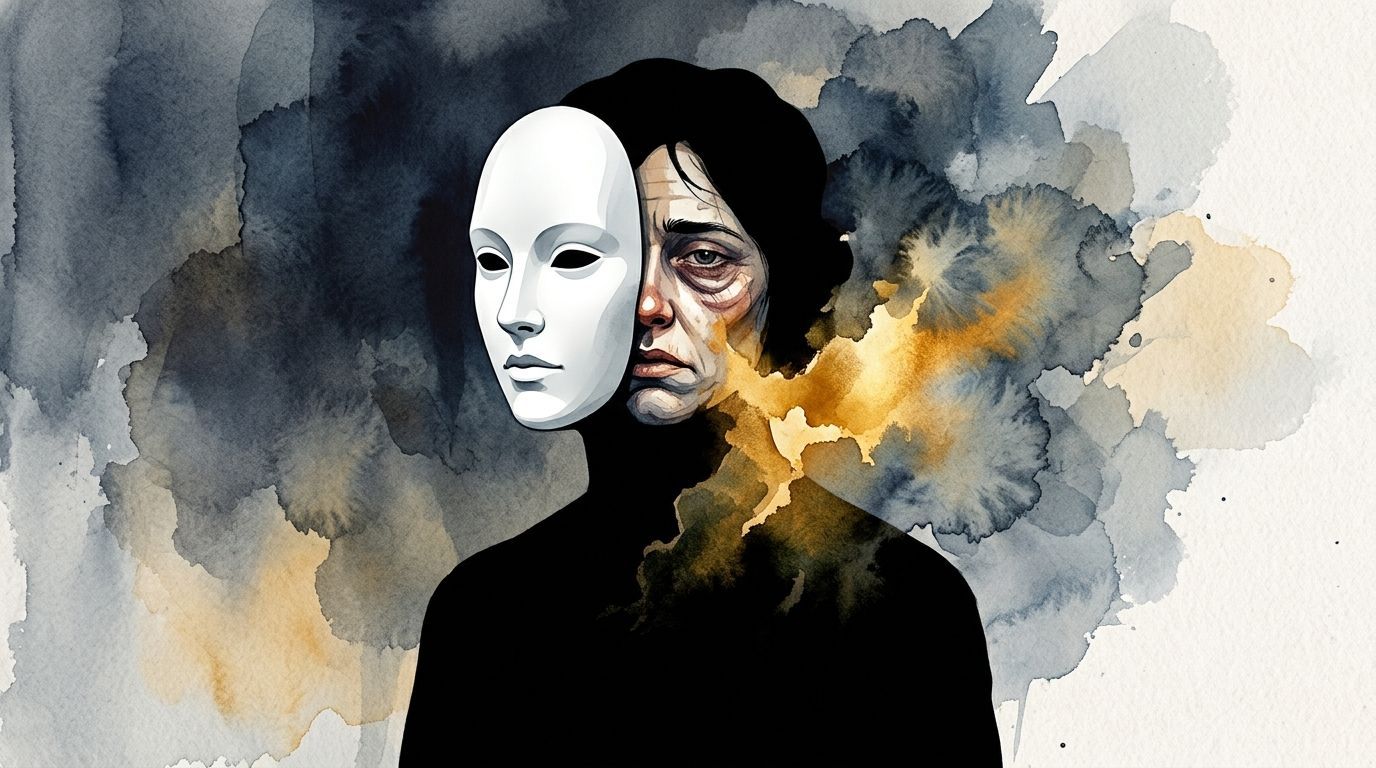
The Hidden Fatigue of Constant Masking
Many people move through the world carrying an invisible workload.
Read More»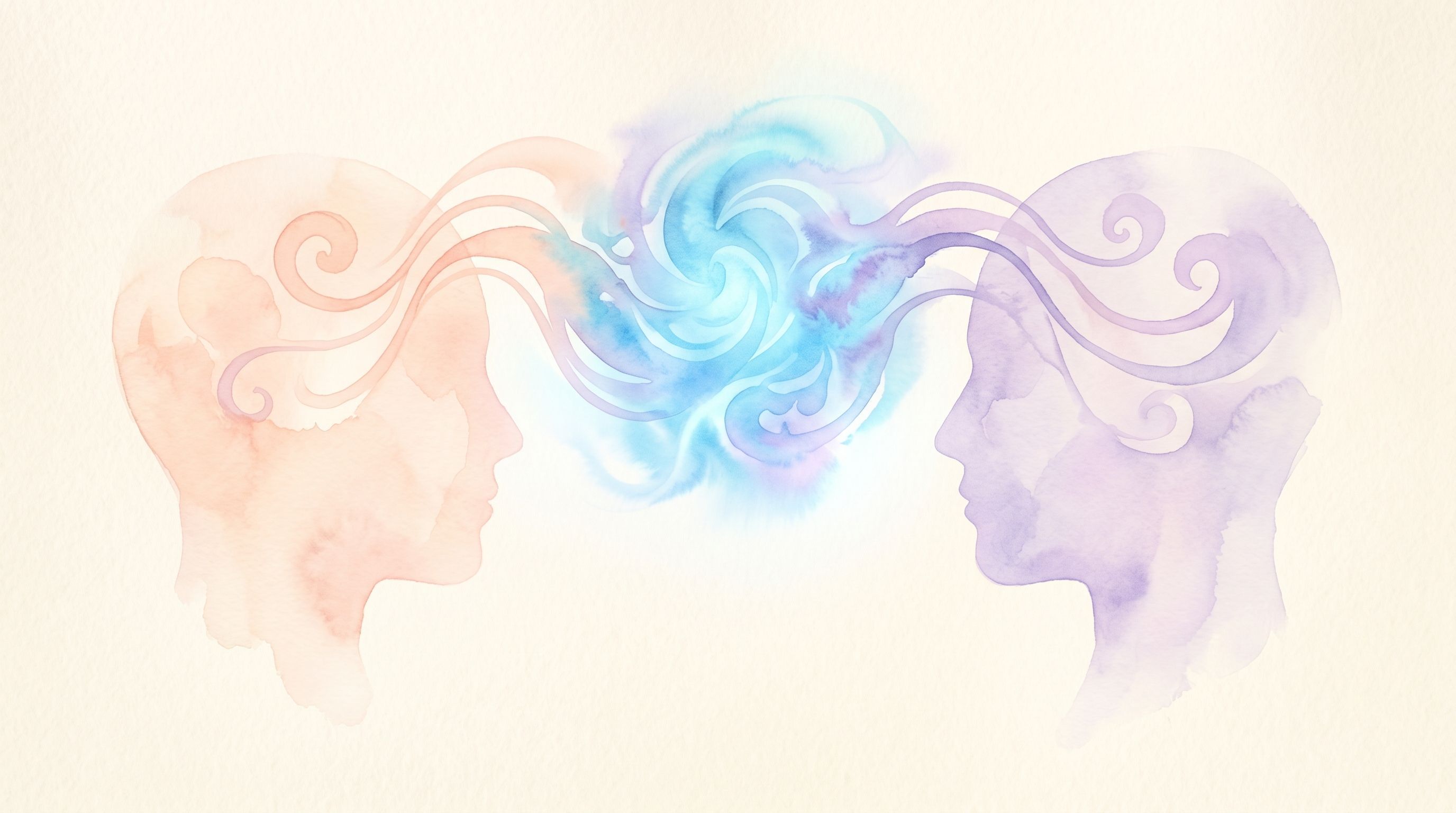
The Difference Between Being Accepted and Being Understood
Most people want to be accepted.
Read More»
You May Not Be Overreacting. You May Be Overloaded
Have you ever been told that you are "too sensitive," "too emotional," or that you are overreacting?
Read More»
The Art of Not Fixing Yourself: A Gentle Approach to Expressive Healing
There is a deeply ingrained belief, often reinforced by self-help culture and performance-oriented environments, that personal growth requires constant improvement. Within this framework, emotions are frequently approached as problems to be solved, patterns as flaws to be corrected and internal experiences as something that must be fixed.
Read More»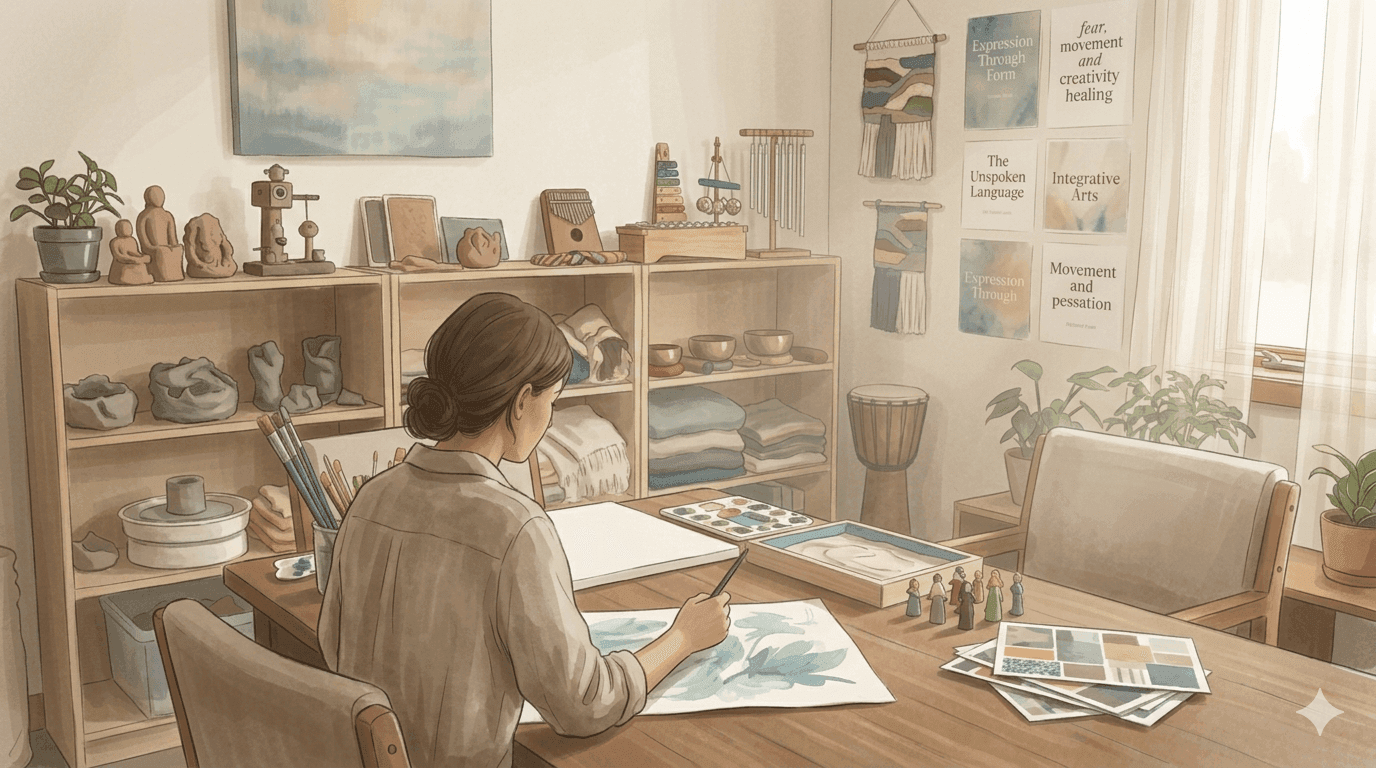
Therapy Without Talking: Addressing Common Misconceptions
There is a widely held assumption that therapy is, at its core, a conversation.
Read More»
Art as Witness: Externalising Inner Experience Safely
There are experiences that feel difficult to hold internally.
Read More»
The Role of Symbolism in Emotional Processing
There are aspects of human experience that do not arrive in clear language.
Read More»
When Words Fall Short: The Power of Expressive Arts in Emotional Healing
There are moments in human experience when language feels insufficient.
Read More»
Movement and Dance as Decolonial Healing
There is a growing recognition across therapeutic, cultural and academic spaces that healing cannot be separated from the contexts in which harm has occurred. For many individuals and communities, particularly those shaped by histories of displacement and cultural erasure, healing is not only intrapsychic. It is relational, embodied and collective.
Read More»
Slowing Down in a Culture of Constant Doing
It has become increasingly difficult to separate productivity from worth.
Read More»
Neurodecolonization: Understanding the Meaning and Impact
By Eva San.
Read More»
Art Therapy-Inspired Practices Clients Can Try Between Sessions
By Huma Durrani.
Read More»
Exploring Endometriosis Through Expressive Arts
By Savannah Dasilva.
Read More»
When We Create Together
By Penelope Orfanoudaki.
Read More»
Learning in Many Ways —Affirming Education for Every Learner
By Kit Louis.
Read More»
Growing Up With a Sibling With Special Needs
By Huma Durrani.
Read More»
Neuro Affirming Art Therapy
By Jessie Stallings.
Read More»
Art Therapy and Culture: Meeting Clients in a Shared Space of Meaning
By Daphna Arbell Kehila (PhD., REAT).
Read More»
Top 10 Art Therapy Directives I Use with Clients
By Huma Durrani.
Read More»
Writing Through Grief: Finding Strength After the Loss of a Child
By Yasmin Vasi.
Read More»
What the Expressive Therapies Continuum (ETC) Offers to Arts Therapies
By Huma Durrani.
Read More»
Why We Doomscroll: The Psychology Behind It and How to Break the Cycle
We’ve all done it: picking up our phones to quickly check the news or social media, only to find ourselves still scrolling an hour later, flooded with stories about crisis, conflict, and catastrophe. This habit—known as doomscrolling—isn’t just a modern quirk. It’s rooted in psychology, and while it helps us feel connected and informed, it can also take a toll on our mental health.
Read More»
EMDR Meets Creative Arts Therapies: A Powerful Path to Healing Trauma
When Words Aren’t Enough
Read More»
Music Therapy: Healing Through Sound (And What a Session Really Feels Like)
If you’ve ever had a song give you goosebumps, lift your mood, or take you back to a specific memory, you already know that music is powerful. But in music therapy, that power is used intentionally — guided by a trained music therapist — to help you feel better, think clearly, and connect more deeply with yourself and others.
Read More»
Online Art Therapy with Neurodivergent Children
By Huma Durrani.
Read More»
Healing Trauma Through the Body and Brain: How Art Therapy and EMDR Help
How Trauma is Stored in the Brain and Body
Read More»
Toddler Meltdowns and How to Help
When Big Feelings Take Over
Read More»
Starting Therapy: What to Expect from a Creative Arts Approach
By Creative Arts Connect.
Read More»
Art Therapy with Teens
By Huma Durrani.
Read More»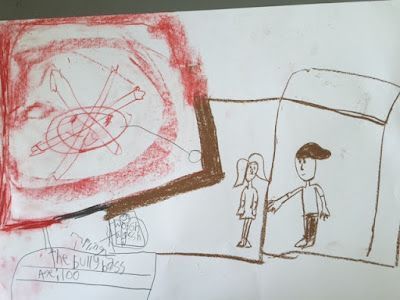
More Powerful Than the Bully
By Huma Durrani.
Read More»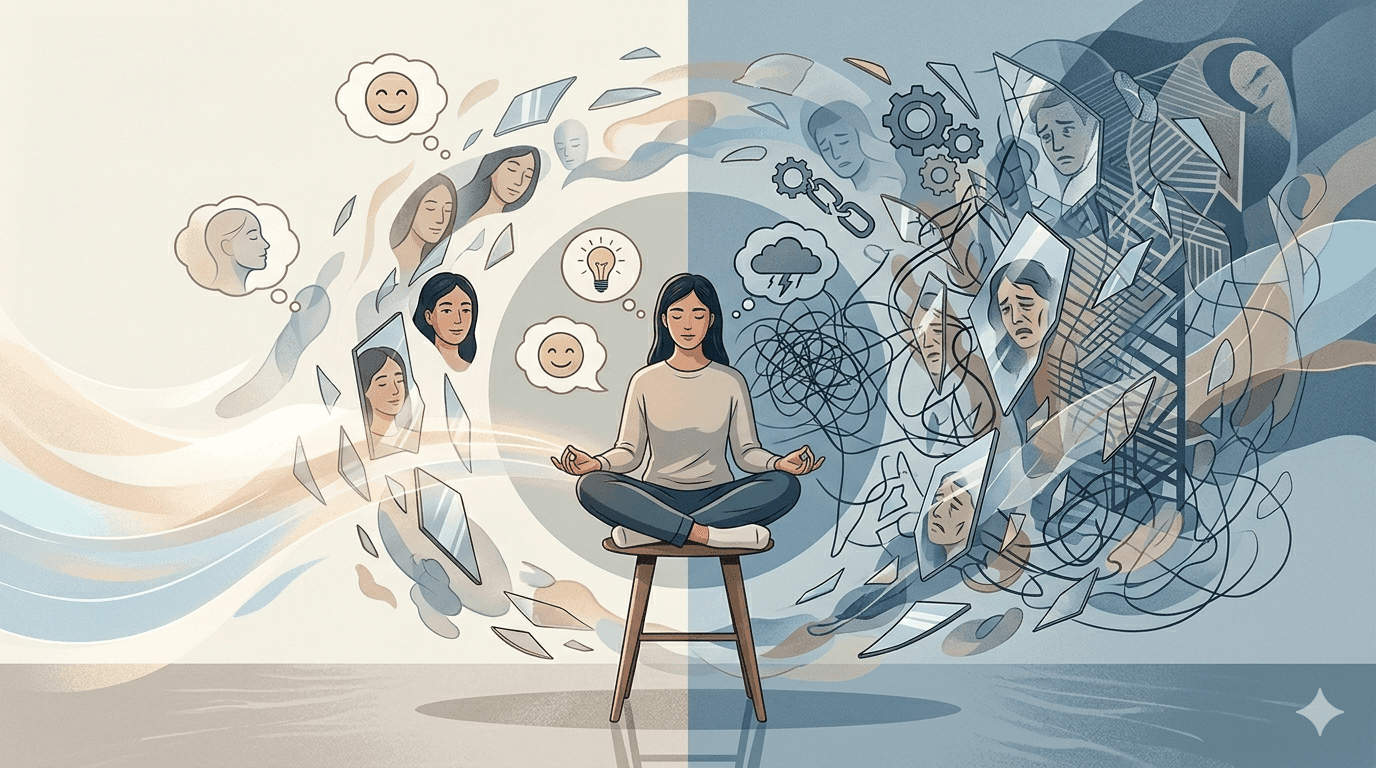
When Self-Awareness Feels Overwhelming
Self-awareness is often described as a goal in therapy and personal growth
Read More»