
Why You Feel Lonely Around People
Creative Arts Connect · Jul 27, 2026 · 4 min read


Creative Arts Connect
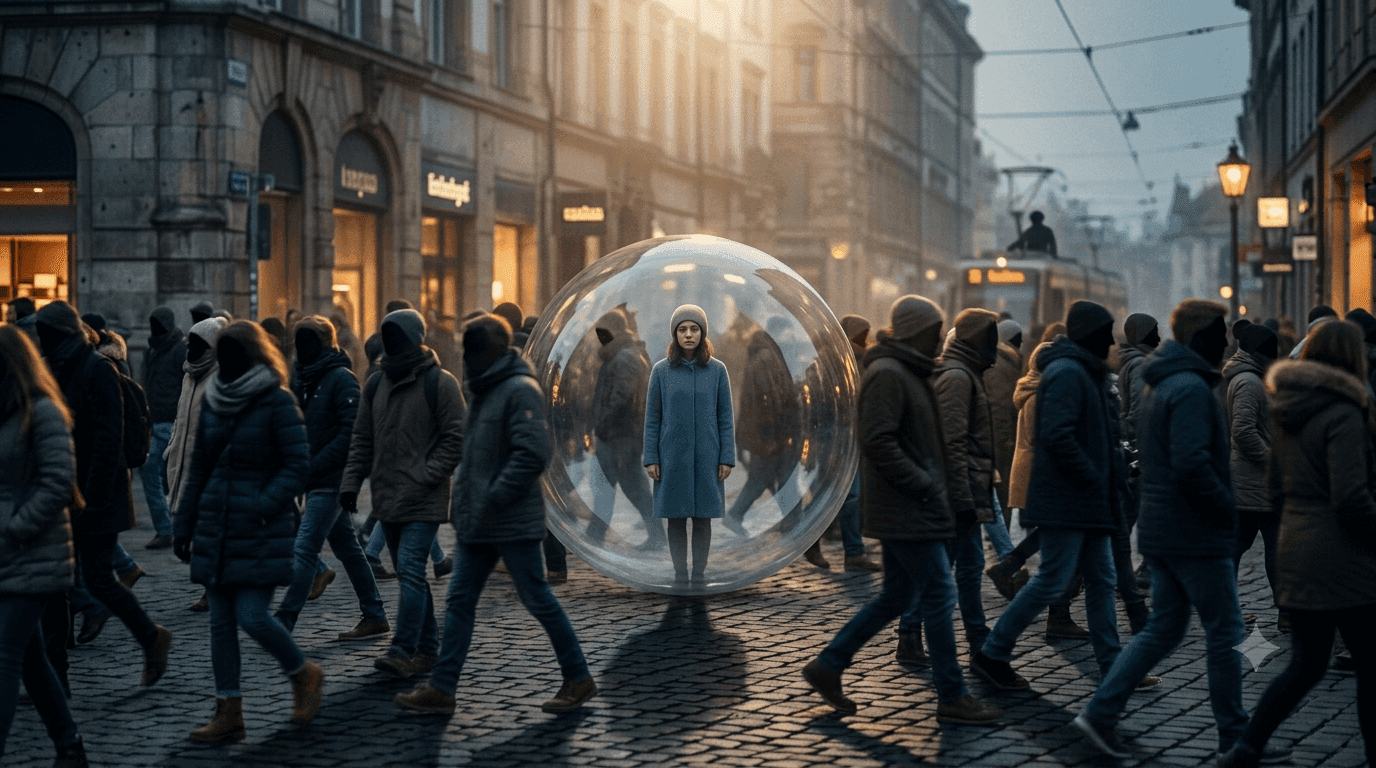
You can spend an entire day surrounded by people and still end it feeling completely alone.
Loneliness isn't always about being physically by yourself. Sometimes, it's about feeling emotionally disconnected, even in the middle of conversations, gatherings or relationships. You may laugh, participate and respond when expected, yet still feel as though no one truly sees or understands what you're experiencing.
This kind of loneliness is more common than many people realize and it often has less to do with the number of people around you than the quality of your emotional connection with them.
Loneliness Isn't Just the Absence of Company
Many people assume loneliness disappears once they're around friends, family or colleagues. But emotional loneliness is different.
You can feel lonely when:
You don't feel safe expressing your real thoughts.
Conversations stay on the surface.
You're constantly trying to meet everyone else's expectations.
You feel misunderstood, even by people who care about you.
You hide parts of yourself to avoid conflict or rejection.
Being surrounded by people doesn't automatically create connection. Feeling understood does.
When You're Present, But Not Really Seen
Sometimes, loneliness develops because you've become so used to adapting to others that you've stopped showing who you truly are.
You might:
Say "I'm fine" when you're struggling.
Smile when you're exhausted.
Avoid sharing difficult emotions because you don't want to burden anyone.
Become the person everyone relies on while quietly carrying your own emotional load.
Over time, people only know the version of you that you've learned to present.
The more you hide, the more disconnected you may begin to feel.
The Role of Emotional Safety
Real connection requires emotional safety.
It's difficult to feel close to someone if you're constantly worried about being judged, misunderstood or dismissed. Past experiences, criticism, rejection or emotional invalidation can teach people to protect themselves by staying guarded.
While this protection may feel necessary, it can also make genuine connection harder to build.
Being emotionally safe doesn't mean someone agrees with everything you feel.
It means you believe your experiences can exist without being minimized or criticized.
Why Socializing Doesn't Always Help
People often suggest, "Go out more" when someone feels lonely.
While spending time with others can certainly help, more social interaction isn't always the solution.
If every interaction requires you to perform, impress or suppress your emotions, socializing can actually become emotionally draining.
Meaningful connection often comes from:
Feeling accepted without pretending.
Having conversations that go beyond small talk.
Being able to express vulnerability without fear.
Knowing someone is listening to understand, not simply respond.
One genuine conversation can feel more fulfilling than an entire room full of acquaintances.
Reconnecting With Yourself First
Sometimes the deepest loneliness isn't only between you and other people.
It's between you and yourself.
When life becomes busy, it's easy to lose touch with your own thoughts, emotions and needs. If you don't fully understand what you're feeling, sharing it with someone else becomes even more difficult.
This is why self-reflection matters.
Creative practices such as painting, writing, music, movement or other forms of expressive arts can offer gentle ways to reconnect with emotions that may be difficult to express with words alone. Instead of trying to explain every feeling logically, creativity allows emotions to emerge naturally and without pressure.
Understanding yourself often becomes the first step toward helping others understand you.
Connection Begins With Authenticity
You don't need dozens of close relationships to feel less lonely.
Often, what people long for is simply one space where they don't have to perform, explain every emotion perfectly or hide who they are.
Building authentic connection takes time and it begins with allowing yourself to be seen, little by little.
That might mean expressing a feeling you've been holding onto, asking for support or exploring your inner experiences in a way that feels safe.
You don't have to reveal everything at once.
Small moments of honesty often become the foundation for deeper relationships.
Final Thoughts
Feeling lonely around people doesn't mean something is wrong with you.
It may simply be a sign that you're craving deeper understanding, emotional safety and authentic connection rather than more conversations or a bigger social circle.
When you begin understanding yourself with compassion, it often becomes easier to build relationships where you feel genuinely seen, heard and accepted.
Sometimes, the path out of loneliness doesn't start with finding more people.
It starts with finding spaces where you no longer have to hide.
Ready to Find the Right Therapist?
Our 3-minute matching quiz connects you with a vetted creative arts therapist who fits your needs.
Find Your Match →