
Music Therapy: Healing Through Sound (And What a Session Really Feels Like)
If you’ve ever had a song give you goosebumps, lift your mood, or take you back to a specific memory, you already know that music is powerful. But in music therapy, that power is used intentionally — guided by a trained music therapist — to help you feel better, think clearly, and connect more deeply with yourself and others.
And no, you don’t have to be “musical” to benefit.
So… What Is Music Therapy?
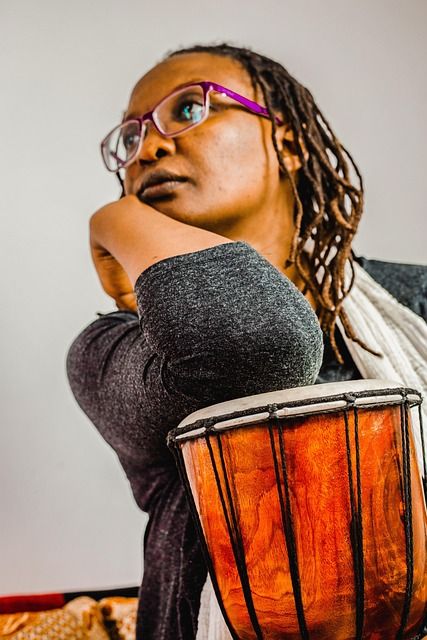
Think of it as using music — in all its forms — to support mental, emotional, and physical well-being. Sometimes that means drumming to let off steam, sometimes it’s writing a song about something you’re going through, and other times it’s just listening to a carefully chosen playlist while you reflect.
It’s not random — music therapists are trained to choose the right activities for your needs, whether that’s reducing anxiety, improving memory, supporting recovery after illness or injury, or helping you express emotions you can’t quite put into words.
What the Science Says (In Plain English)
We all feel that music helps — but research says it’s not just in our heads.
Sharper thinking & better memory:
A 2023 review of studies with nearly 700 older adults found music therapy improved thinking skills and memory compared to control groups. Even better? Singing and active music-making appeared to provide the greatest boost (Alzheimer’s Research & Therapy).
Mood lift & connection:
Group singing and rhythm activities have been shown to lower anxiety and depression while helping people feel more connected (BMC Psychology).
Pain & anxiety relief:
In one 2025 hospital study, patients reported less pain and less anxiety after music therapy — even in busy emergency departments (International Journal of Emergency Medicine).
Inspiring recoveries:
Music therapy played a key role in folk-rock icon Joni Mitchell’s stroke recovery, helping her brain rewire and rebuild skills (The Guardian).
What Happens in a Music Therapy Session?
Every therapist has their own style, but here’s what a typical session might look like:
Welcome & Check-In
A friendly chat about how you’re feeling and what’s been going on.
Setting the Focus
Together, you decide what’s most important today — maybe easing stress, working on memory, or finding a safe space to express feelings.
The Music Bit
Playing instruments (even if you’ve never touched one before!)
Singing or humming
Writing a song together
Listening to music that’s chosen for you
Moving to rhythm if that feels right
Reflection
Talking about what came up for you during the activity — emotions, thoughts, memories.
Closing
Usually something calming or grounding, so you leave feeling settled.
Do You Need to Be a Musician?
Nope. Absolutely not. Music therapy isn’t about performance — it’s about connection and healing. If all you do is tap your fingers to the beat, you’re still participating.
Why Try It?
Music therapy can:
Ease anxiety and depression
Improve focus, memory, and thinking skills
Reduce pain
Boost motivation in recovery
Help process grief or trauma
And honestly? It can be a lot of fun, too.
AlzheimerAnxietyDepressionMental Health SupportPain